What seafood can dogs eat?
By Dr. Elena Vasquez
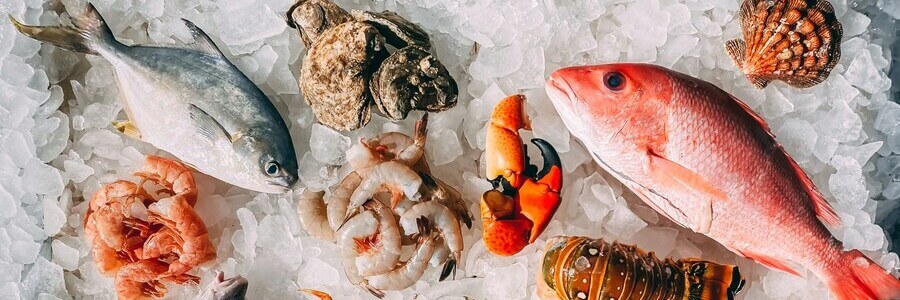
As a dog owner, you might wonder if seafood can be a nutritious addition to your dog's diet. While many seafood options are safe and beneficial for dogs, some are not. In this article, we'll explore which seafood is safe for your furry friend and how to incorporate it into their meals responsibly.
Seafood can be a great source of protein and omega-3 fatty acids for dogs, promoting a healthy coat, skin, and overall well-being. However, not all seafood is created equal, and certain types can pose risks to your pup’s health. Let's delve into the types of seafood that are safe for dogs and how to prepare them.
Safe Seafood Options
Many dog owners enjoy sharing their love for seafood with their pets. Fortunately, several types of seafood are safe for your dog:
- Salmon: Cooked salmon is rich in omega-3 fatty acids, which can help maintain healthy skin and a shiny coat.
- Sardines: These small fish are packed with nutrients and can be given whole. Just ensure they are cooked and free of bones.
- Cod: A lean fish that provides ample protein and is low in fat. Be sure to cook it properly before serving.
- Shrimp: These can be a tasty treat for dogs but must be cooked and deveined. Avoid giving them raw, as this can lead to seafood-related illnesses.
- Tuna: In small quantities, cooked tuna can be a nice treat, but due to mercury levels, it should not be a regular part of their diet.
Health Benefits of Seafood for Dogs
Including seafood in your dog's diet can provide various health benefits. The omega-3 fatty acids found in fish can help reduce inflammation, enhance brain function, and promote heart health. Additionally, protein from seafood can aid in muscle development and repair.
Preparation Tips
When feeding seafood to your dog, preparation is key. Here are some tips to consider:
- Always cooked: Fish should be thoroughly cooked to eliminate harmful bacteria and parasites. Avoid frying seafood, as this adds unnecessary fats.
- Remove bones: Fish bones can splinter and pose a choking hazard or cause damage to your dog’s digestive tract.
- Moderation is crucial: While seafood can be healthy, it should only be a small part of a dog's overall diet. Too much can lead to nutrient imbalances.
Seafood to Avoid
Not all seafood is safe for dogs. Here are types to steer clear of:
- Raw seafood: This can contain harmful bacteria or parasites that can cause serious health issues.
- Processed seafood: Foods like fish sticks or other commercially processed seafood may contain additives and preservatives that are harmful to dogs.
- Shellfish allergies: Be cautious with shrimp, crab, and lobster, as some dogs can develop allergies.
Consult Your Veterinarian
Before introducing any new food to your dog's diet, it’s always a good idea to consult with your veterinarian. They can provide personalized advice based on your dog's health, weight, and dietary needs. Remember, while seafood can offer health benefits, it should be introduced slowly and in moderation.
In summary, many seafood options such as salmon, sardines, cod, and shrimp can be safe and healthy treats for dogs when prepared correctly. Avoid raw seafood and processed varieties, and always ensure you’re feeding your pup food that supports their health and well-being.
 Can Dogs Eat