Dachshund

Hound · small
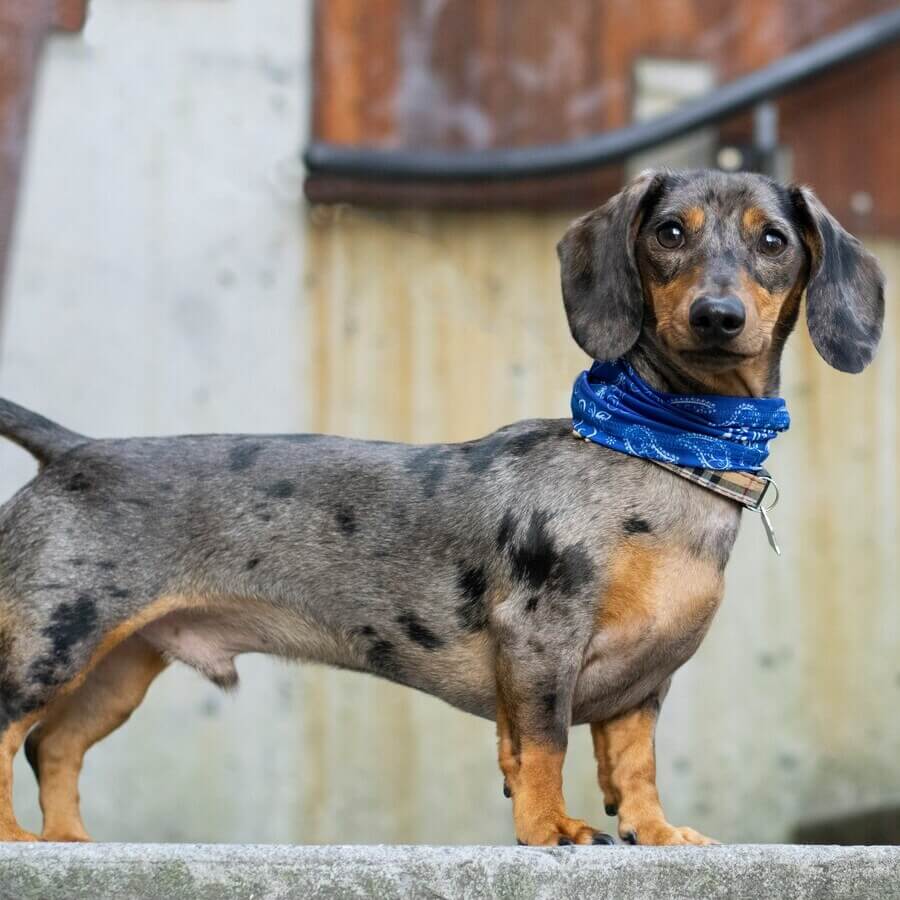
A playful Dachshund in a sunny park

The Dachshund, affectionately known as the Wiener Dog, is a small breed distinguished by its long body and short legs. With a curious and courageous nature, these dogs make wonderful companions for families and individuals alike.

Breed characteristics

Breed group
Hound
Size
small
Weight
16–32 lbs
Height
8–9 in
Life expectancy
12–16 years
Origin
Germany
Temperament
curious, clever, courageous, stubborn
Exercise needs
Average
Grooming needs
Moderate
Trainability
Average
Hypoallergenic
No
Good with children
Yes
Good with other dogs
No
Apartment friendly
Yes

Temperament

Dachshunds are known for their curious and clever personalities. They are often described as courageous, sometimes to the point of being stubborn. This breed is playful and energetic, enjoying interactions with their owners. While they can be affectionate, they also have a tendency to exhibit independence, which can sometimes make training a challenge.

Appearance

The Dachshund comes in three coat types: smooth, longhaired, and wirehaired. Their height typically ranges from 8 to 9 inches at the shoulder, with weight varying from 16 to 32 pounds depending on whether you have a standard or miniature breed. They have an elongated body shape and strong, muscular legs, which gives them a unique and recognizable look.

Exercise Needs

Dachshunds need a moderate amount of exercise to stay healthy and happy. A daily walk and some playtime will suffice to satisfy their energy levels. However, due to their long spine, it is essential to avoid excessive jumping or running on hard surfaces, as this can lead to back problems.

Grooming

The grooming needs of a Dachshund vary depending on their coat type. Smooth Dachshunds require minimal grooming, while wirehaired ones need regular brushing. Longhaired Dachshunds may need more frequent grooming to prevent matting. A regular check for ear infections and dental hygiene is also important.

Trainability

Dachshunds can be somewhat stubborn, which may make training a bit of a challenge. Positive reinforcement methods work best for this breed. Early socialization and consistent training are vital to ensure they develop into well-behaved adult dogs. Engaging training sessions can also help keep their minds stimulated.

Health Considerations

Dachshunds can be prone to specific health issues, particularly related to their elongated spine, such as intervertebral disk disease (IVDD). Regular vet check-ups and maintaining a healthy weight are crucial in preventing back problems. Be aware of potential dental issues and skin conditions that may affect the breed.

Suitability for Families and Apartments

Dachshunds are quite family-friendly and can do well with children, making them suitable companions for a household. They are also adaptable to living in apartments due to their size. However, they may exhibit some territorial behaviors, so early socialization with other dogs is recommended. Proper training can help curb any aggressive tendencies towards unfamiliar dogs.

Conclusion

The Dachshund is a charming and spirited breed. With proper training, socialization, and care, they can thrive in both family settings and apartments. Their unique personality, coupled with their affectionate nature, makes them a beloved choice for many dog owners.